Mastering Wedding Clipar: A Guide to High-Quality Digital Assets
Planning a wedding or designing event materials often feels like balancing on a tightrope between creativity and logistics. One of the most critical, yet frequently overlooked, elements in this process is the visual foundation you choose. When creators search for Wedding Clipar, they are often looking for more than just a picture; they are seeking the perfect visual anchor to tie together invitations, scrapbooks, and handmade stationery. However, not all digital assets are created equal. The difference between a professional-looking invitation and one that looks amateurish often comes down to the resolution, format, and versatility of the clipart used.
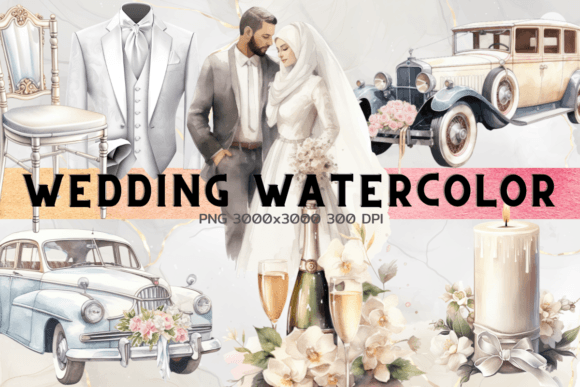
Many designers and DIY enthusiasts rush into downloading images without understanding the technical specifications required for high-quality print. This oversight can lead to pixelated edges, muddy colors, and wasted money on printing supplies. By understanding what makes a premium asset—such as a set featuring 7 individual PNG images with transparent backgrounds—you can ensure your projects stand out with clarity and elegance.
The Hidden Cost of Low-Resolution Graphics
One of the most common mistakes beginners make when sourcing Wedding Clipart is ignoring the resolution requirements. It is tempting to grab a free image from a generic search engine because it fits the theme, but these files are often optimized only for web use, typically at 72dpi. When you attempt to print these low-resolution files onto high-quality cardstock for invitations or hardcover books, the results can be disastrous. The images appear blurry, jagged, or "pixelated," instantly undermining the effort put into the rest of the design.
To avoid this pitfall, you must prioritize assets that meet professional printing standards. Look for files that offer a high resolution of 300dpi. This density ensures that every detail, from the intricate lace on a bride's dress to the texture of a groom's suit, remains crisp even when enlarged. A standard size of 3000×3000 px provides ample room for scaling without losing quality. Whether you are creating place cards, tags, or wrapping paper, starting with a high-resolution source file is the single most effective way to guarantee a polished final product.
Why Transparency Matters in Design
Another frequent misunderstanding involves the importance of background transparency. Many users download JPEG images that come with a white or colored box around the subject. While this might look fine on a computer screen, it becomes a significant hurdle during the design process. Trying to remove a white background manually using photo editing software can result in halo effects, jagged edges, or loss of fine details, especially when working with complex subjects like flowing veils or floral arrangements.
The solution is to select PNG format images with a transparent background. These files allow you to layer the Bride and Groom Clipart directly over any background color, pattern, or photograph without unsightly borders. This flexibility is essential for decoupage, decorated furniture, and packaging, where the graphic needs to blend seamlessly with the underlying material. By choosing pre-transparent PNGs, you save hours of frustrating editing time and ensure that your design elements integrate smoothly into your overall aesthetic.
Maximizing Versatility Across Projects
A common error in budgeting for creative projects is buying multiple small packs of clipart that do not coordinate well. Instead, seek out comprehensive collections that offer variety within a cohesive style. A well-curated pack containing 7 individual PNG images allows for consistent branding across different mediums. You can use one image for the main invitation, another for the RSVP card, and a third for jewelry tags or bookmarks.
This approach ensures visual harmony throughout the entire event suite. For instance, if you are creating a scrapbook or a journal about your wedding day, having a set of matching graphics helps tell a unified story. Similarly, for entrepreneurs selling handmade stationery or planners, consistency builds brand recognition. Using a single high-quality set for crafts, birthdays, parties, and DIY projects ensures that your output looks intentional and professionally curated rather than haphazardly assembled.
Evaluating Your Needs Before You Download
Before committing to a purchase or download, take a moment to evaluate your specific project requirements. Ask yourself how the image will be used. If you plan to use the artwork for large-format items like banners or hardcovers, the 3000×3000 px size is non-negotiable. If you are creating small items like earrings or tiny gift tags, you still benefit from high resolution because it allows you to crop and resize the image without degrading the quality.
Furthermore, consider the medium. Digital screens forgive lower resolutions, but physical media does not. If your goal is to create physical goods such as cards, place cards, or decoupage pieces, the file must be print-ready. Always verify the DPI (dots per inch) before finalizing your choice. Ignoring this step can lead to reprints, wasted materials, and a final product that fails to capture the sentiment you intended.
Better Approaches for Professional Results
To achieve the best results, adopt a workflow that prioritizes quality over quantity. Instead of scattering your resources across dozens of low-quality sources, invest in a few high-caliber sets. When you find a collection that offers high-resolution PNGs with transparent backgrounds, you gain the freedom to experiment. You can resize, recolor (if the layers permit), and combine elements without worrying about the integrity of the image.
For example, imagine designing a custom wrapping paper for wedding favors. With a transparent PNG, you can repeat the pattern over a textured background, ensuring the Bride and Groom figures pop against the paper grain. Or, consider applying these graphics to decorated furniture for a reception venue; the high DPI ensures the decals remain sharp even from a distance. By avoiding the trap of "good enough" graphics, you elevate the entire experience for your clients or guests.
In the world of DIY and professional design, the devil is truly in the details. Choosing the right Wedding Clipar is not just about finding a cute picture; it is about selecting a tool that empowers your creativity without technical limitations. By focusing on resolution, format, and versatility, you can avoid common pitfalls and produce work that is both beautiful and functional. Whether you are a hobbyist crafting a personal invitation or a business owner creating a line of wedding stationery, the quality of your digital assets defines the quality of your final creation.