Watercolor Hummingbird Clipart: A Practical Asset for Creative Workflows
In the landscape of digital design and physical crafting, the selection of visual assets often dictates the tone, quality, and efficiency of a project. Watercolor Hummingbird Clipart represents more than just a decorative image; it is a functional tool that bridges the gap between conceptual planning and tangible execution. For professionals, hobbyists, and small business owners alike, integrating high-quality imagery into a workflow requires an understanding of file specifications, aesthetic compatibility, and practical application methods. This guide explores how to effectively utilize this specific asset collection to enhance projects ranging from handmade stationery to commercial packaging.
Understanding the Asset Specifications
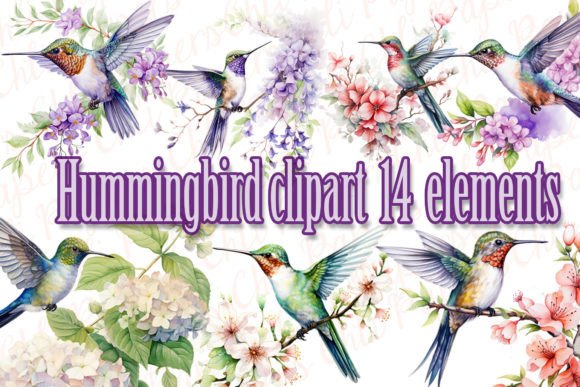
Before integrating any graphic element into a production pipeline, one must evaluate its technical specifications. The value of Watercolor Hummingbird Clipart lies in its precise formatting, which ensures versatility across various media types. You will receive 14 individual PNG images, each designed with a transparent background. This transparency is critical for layering. It allows the hummingbird illustrations to sit naturally atop textured papers, colored cardstock, or complex digital layouts without the interference of a white box or unnecessary borders.
The resolution of these files is another pivotal factor in their utility. At 300dpi (dots per inch) and a dimension of 2200x2200 pixels, these images meet the industry standard for high-quality print production. Many free or low-cost clipart options are limited to 72dpi, which results in pixelation when printed on large formats like posters or hardcover books. By starting with a 300dpi source, you eliminate the risk of blurry edges or jagged lines during the printing process. This level of detail supports crisp output whether you are producing a single invitation or a batch of 500 place cards.
Integration into Physical Crafting Processes
For those engaged in scrapbooking, cardmaking, and decoupage, the workflow begins with material selection and layout planning. Watercolor Hummingbird Clipart fits seamlessly into this phase as a primary focal point or a complementary accent. When designing a handmade invitation, for instance, the artist can print the image onto specialty paper using an inkjet printer capable of handling high-resolution graphics. Because the background is transparent, the watercolor texture interacts directly with the grain of the paper, creating a cohesive look that mimics traditional painting.
In the context of decoupage and decorated furniture, the durability and clarity of the image become paramount. The high resolution ensures that even when the image is cut out and adhered to a curved surface, such as a jewelry box or a wooden frame, the details remain sharp. The watercolor style, characterized by soft gradients and fluid edges, blends well with rustic or vintage aesthetics common in furniture upcycling. Creators can use these assets to add a touch of elegance to plain surfaces, transforming simple objects into personalized gifts or home decor items.
Efficiency in crafting also relies on organization. With 14 distinct variations within the set, users have the flexibility to create matching suites of materials. For example, a wedding planner might use one variation for the main invitation suite, while utilizing others for tags, wrapping paper patterns, and menu cards. This consistency in visual language strengthens the overall presentation of the event materials. The ability to scale the 2200x2200 px files down for small tags or keep them large for journal covers means a single purchase serves multiple stages of the project lifecycle.
Digital Applications and Commercial Use
Beyond physical crafts, these assets play a significant role in digital workflows for entrepreneurs and marketers. Small business owners selling on platforms like Etsy or Shopify often require high-quality mockups and product visuals. Watercolor Hummingbird Clipart can be imported into design software such as Adobe Photoshop, Illustrator, or Canva to create digital downloads, social media graphics, or email newsletter headers. The PNG format facilitates easy manipulation, allowing designers to resize, rotate, or adjust opacity without compromising image integrity.
When developing branding for products related to nature, wellness, or artisanal goods, the organic feel of watercolor art adds authenticity. Unlike rigid vector graphics, watercolor textures convey a sense of hand-crafted care. This emotional resonance is valuable in marketing campaigns targeting consumers who value sustainability and personal touches. Designers can overlay these hummingbirds on product photography to create a lifestyle context, suggesting that the product belongs in a serene, beautiful environment.
For publishers and educators creating workbooks, journals, or educational materials, the clipart serves as an engaging visual break. In the layout of a hardcover book, these images can function as chapter dividers or decorative elements in margins. The high resolution ensures that the text remains legible and the artwork does not distract from the content. Furthermore, the variety of poses and angles available in the 14-image set prevents visual monotony, keeping the reader engaged throughout the document.
Workflow Optimization and Quality Control
Successful implementation of any digital asset requires a structured approach to file management and quality control. Upon acquiring the Watercolor Hummingbird Clipart, the first step is to organize the files within a dedicated folder structure. Labeling subfolders by project type—such as "Wedding Invitations," "Journal Covers," or "Packaging"—ensures rapid retrieval during the creative process. This organizational discipline reduces downtime and keeps the workflow moving smoothly from concept to completion.
Quality control involves verifying the output before mass production. Even with 300dpi files, printer settings and paper choices can alter the final appearance. It is advisable to print a test sheet on the intended stock to check color fidelity and saturation. Watercolor images often rely on subtle color transitions; if the printer settings are incorrect, these nuances may be lost. Adjusting the color profile in your design software to match the paper type can mitigate this issue. Additionally, checking the edges of the transparent areas ensures that no unwanted artifacts appear around the hummingbirds when placed on dark backgrounds.
Long-term usability is another consideration. Storing the original high-resolution files in a cloud backup system protects against data loss and allows access across different devices. This is particularly useful for freelancers who may need to revisit a project months later or collaborate with clients remotely. Having the master files readily available ensures that future iterations of a design maintain the same level of quality and consistency.
Strategic Implementation for Specific Projects
To maximize the return on investment for this clipart set, consider strategic pairings with other resources. For wrapping paper and packaging designs, combine the hummingbird images with complementary floral patterns or geometric shapes to create a custom wrap. The transparency of the PNGs allows for creative layering, where the birds appear to hover over the pattern rather than sitting flat on top. This depth adds a professional polish to gift packaging.
In the realm of party planning, these assets can unify the visual theme. Use one image for the main banner, another for cupcake toppers, and a third for place cards. The cohesive style ties the disparate elements together, making the event feel curated and thoughtfully designed. For DIY projects involving jewelry, the images can be printed on shrink plastic or transferred onto metal blanks, turning the digital art into wearable accessories.
Ultimately, the utility of Watercolor Hummingbird Clipart extends beyond its aesthetic appeal. It is a versatile component that supports a wide range of creative and commercial objectives. By understanding its technical strengths and applying it within a disciplined workflow, creators can produce high-quality outputs efficiently. Whether you are a professional designer managing client expectations or a hobbyist crafting a personal keepsake, the combination of high resolution, transparency, and artistic style makes this asset a reliable partner in bringing visual ideas to life.